


If you have diabetes, you’re up to 4 times more likely to have a heart attack or stroke. A single, free blood test can help you understand how diabetes is impacting your overall health.
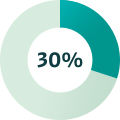
About 30% of people with type 2 diabetes have heart disease.

Nearly 1 in 3 adults with diabetes have kidney disease.
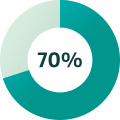
As many as 70% of people with type 2 diabetes also have non-alcoholic fatty liver disease.


Choose your location, tell us a little about you, and book your appointment.

Visit the selected site for your blood draw. You'll also receive a $45 stipend for your time and travel.

A few weeks after your test, our team will share your results, explain what they mean, and provide a copy for your doctor.

Lp(a) - A genetically determined type of cholesterol that puts you at greater risk of heart disease

An ongoing elevation of the sugar in your blood that negatively impacts your heart, blood vessels, kidneys, nerves, eyesight and more.

How well your kidneys are filtering out waste and keeping your body in balance.

Measures cholesterol and fats in your blood.

A high sensitivity protein that, if chronically elevated, can be associated with heart disease risk.

A protein that may measure your risk for developing Alzheimer's disease (Based on eligibility at select locations).

Blood tests to screen for liver disease and detect fibrosis. (Based on eligibility at select locations)



I had a positive experience. The technician who took my blood was nice and professional. The representative explained my test results and went in detailed what the results meant. In addition, she was eager to answer my questions.
Great, fast and friendly service. The lady who assisted me and drew my blood did an amazing job. Did not feel any pain or discomfort. Would recommend.
I had great experience! My nurse was knowledgeable and professional and the entire process was quick and easy.
I am a serious hard stick but the phlebotomist there got me first try! I was crazy impressed.
Beautiful facility, great team and very organized research clinic.
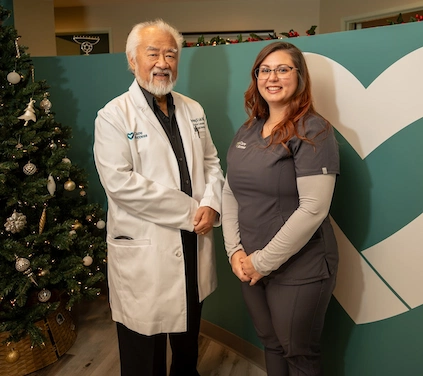

Care Access is a health research company that improves access to research that brings about new cures and treatments for diseases. We partner with communities to increase awareness of health issues and help get new potential medicines to everyone.

An A1c test measures average blood sugar levels over the previous 3 months. It can help diagnose prediabetes or diabetes, or it can help you understand how well you’re managing your blood sugar levels.
A1c results below 5.7% are normal, while results between 5.7%-6.4% indicate prediabetes, and results 6.5% and higher indicate diabetes.
It depends on your individual healthcare needs, but people who have diabetes generally test their A1c twice per year. People with normal A1c results who have diabetes risk factors should generally test A1c every three years, and those with prediabetes should get it tested every one to two years.
Type 2 diabetes is caused when the body isn’t able to make or use insulin (a hormone that helps regulate blood sugar) correctly and blood sugar levels get higher. Extra weight and lack of activity can contribute.
A health screening is a medical assessment that can help people identify possible health issues or risk factors. Often, they can support early action to prevent health conditions from worsening. Health screenings often feature a variety of tests, including cholesterol, blood sugar, kidney function, and more.